
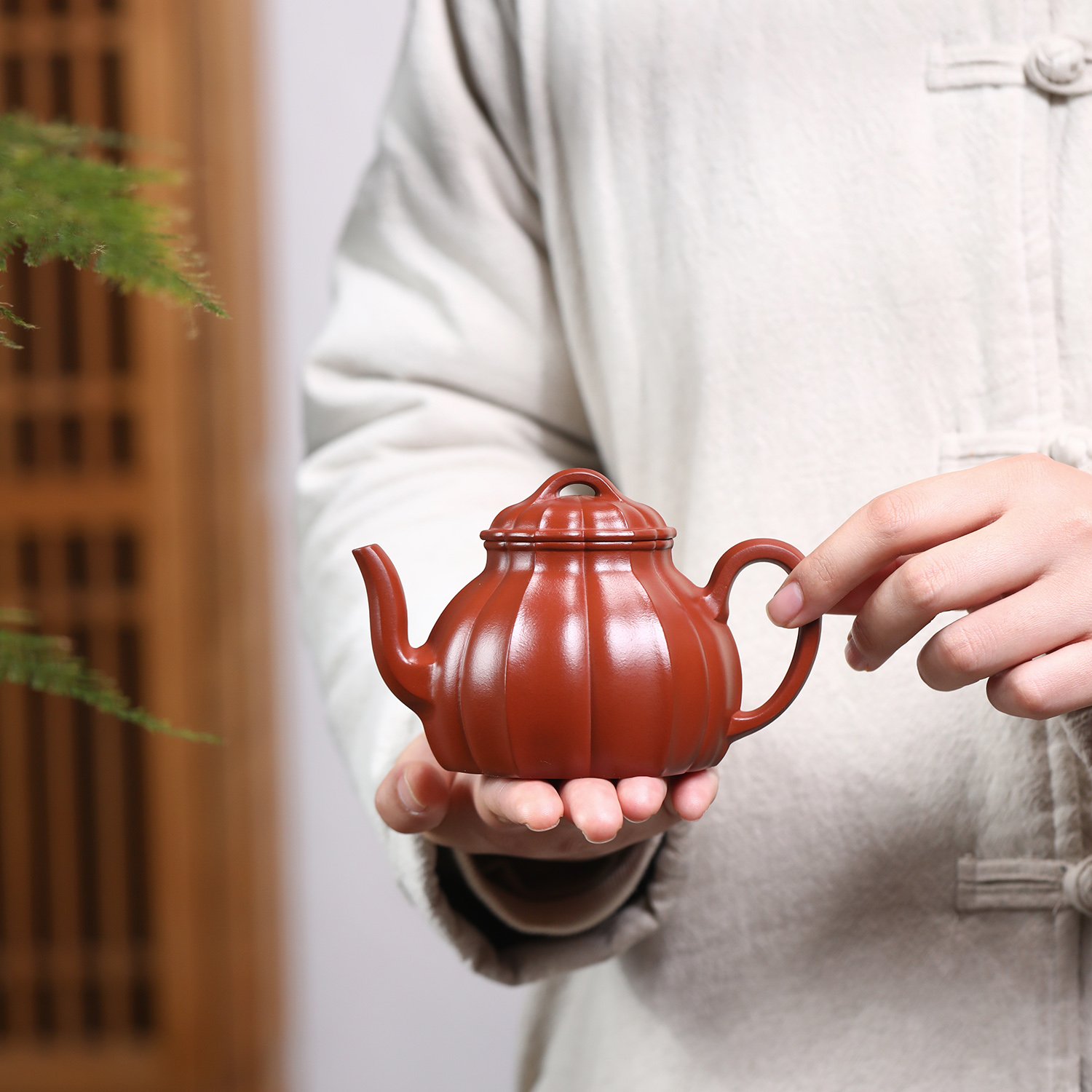
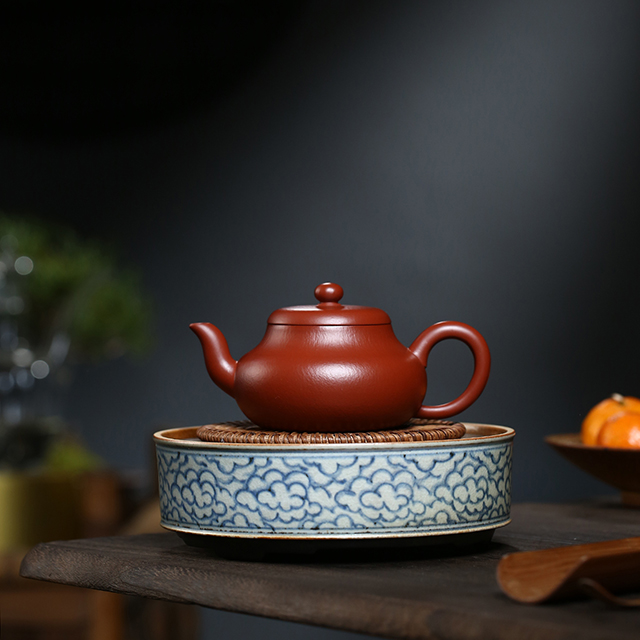
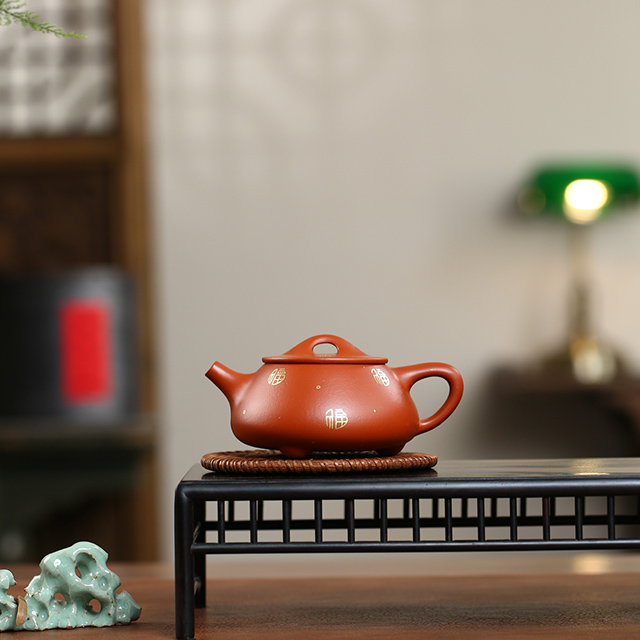
Why should the purple clay pot be burned more than once?
Why should the purple clay pot be burned more than once?
It is often seen that "this purple clay pot has been fired many times", is it because it is not fired once and it is tried many times? Well, it's not.
So why did the previous purple clay pot only need to be fired once, and now it needs to be fired two or more times? Is it better to fire once or twice?
1. When is it fired?
Before the Republic of China, Dingshu local has not used modern kiln technology, most of the use of dragon kiln firing, and the control of the dragon kiln is relatively poor, each more firing will increase a risk, firing damage, so the previous pot is usually once fired. As a result, the lid of the pot is rarely tightly stitched, unless it is a master who has grasped the perfection of mud, but after all, it is rare.
Second, why should the current purple clay pot be fired many times?
With the development of modern technology, the use of new kilns such as push plate kilns and electric kilns, the temperature is very easy to control, and people's requirements for the process are relatively high, in order to tightly rotate the mouth cover, there is a process of firing twice. The first time is fired at a low temperature, after leaving the kiln, the mouth cover is polished with emery, and then the second time is fired into the kiln, so that the finished pot can reach the mouth cover tightly, which is what the industry calls "the whole mouth". The second firing high temperature, to reach the mud crystallization temperature, this time the pot is generally finished. Some POTS after the second burn, found that the color of the sand is not ideal, so it will be fired again in the kiln for the third time.
Of course, the more times the firing, the higher the degree of crystallization will be, and the risk of burning is relatively large. In addition, the pot must not be overheated after the first time, otherwise there will be problems when the second time is fired. Therefore, "secondary firing" refers to that after the first firing out of the kiln, the whole mouth is carried out, the fire is removed, and the "broken skin" occurs at the polishing place with the raw mud of the pot, and then the second firing is carried out. Because the broken skin will form new crystals after rubbing, these flaws can not be seen after burning, and the pot is also perfect.
Whether it is fired once, twice, or three times, as long as the final can show us a piece as close to perfect as possible, that is a good technology, is worthy of praise.